Introduzione
all’artista
Nei quadri di Ettore il colore assorbe la forma, le figure vengono solo evocate e sembrano scomparire per permettere all’osservatore una lettura di ricordo mitologico o di sogno, una lettura dell’anima.
L’artista è in bilico tra la scelta di linguaggi canonici e la negazione delle forme costituite ma, tra vertigini materico informali e parole senza una scansione ritmica precostituita, riesce a restituirci una percezione dell’Io e delle sue più profonde incertezze.
I “segni“ di Ettore Giaccari entrano nel campo della “contrarietà” tra ragione ed illusione e divengono momento di incontro in una fusione di intuizione spirituale e percezione sentimentale pur divenendo espressione concreta delle sue idee forti.
Egli ci rappresenta una metamorfosi magica: corpi disgregati sembrano fondersi in entità alate che perdono la connotazione di genere ma conservano le ferite che li inchiodano alle umane passioni; statue rovinate dal tempo o corpi scolpiti nella vita?
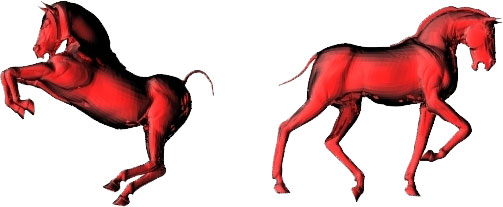
Splendida la tela dove l’autore evoca la battaglia di Troia dove il cavallo scelto per il ricordo non cela nel suo ventre i condottieri che distruggeranno la città ma accoglie una figura femminile, richiamo ad Andromeda che, vittima, diverrà bottino di guerra e ci appare raggomitolata, nuda tra cavalli trasfigurati e fiamme che bruciano corpi.
La ricerca dell’amore ci asseta d’acqua dolce ed il suo ritrovamento ci calma e pulisce ferite che forse si riapriranno ma non è forse questo il percorso che connota il senso della nostra esistenza?
Quindi, i cavalli di Ettore sono ancora il simbolo della più struggente libertà oppure la libertà può diventare il più pericoloso dei doni (dal discorso di Laoconte ai Troiani: “Timeo Danaos dona ferentes – Temo i Greci che portano doni”)?
A questa domanda ed ad altre sulla sua ricerca lasciamo che siano le sue stesse parole a rispondere.
Introduction to the artist
In Ettore’s pictures the colour absorbs the style, the figures are only evoked and seem like disappeared to allow to an observer a reading of a mythological memory or a dream, like a soul’s reading.
The artist is in a balance to chose of a canonical languages and the negation of established forms, between a material-informal giddiness and words without a rhythmic scansion, he gives us back a perception of the Ego and his much deeper doubts.
Ettore Giaccari’s signs go into the field of the conflict between the reason and illusion and they become a moment of meeting in a fusion of a spiritual perception even if they turn into expression of his concrete and strong ideas.
He shows us a fascinating metamorphosis, the disaggregated bodies entities which loose genus’s burst into winged personal characteristics but they keep scars which tie them to the human’s passions. Are we in front of statues ruined from the time or in front of bodies graven from the life?
Fabulous is the picture where he evokes the final Troy’s war where, the white horse used for the remembering, doesn’t hide the ancient Greek soldiers, who will destroy the town, but receives the female figure who brings us back to Andromeda who is a victim and shall become a boot. The painter draws her, naked, and all around her many other transfigured horses and flames burning bodies.
The research of love makes us thirsty of fresh water and when we find it we are calm and with clean scars. Perhaps this scars will open again; isn’t it the meaning of the life?
Ending, Ettore’s horses are still a symbol of the more melted freedom or the freedom can turn to the most dangerous gift (Laocoonte’s – Timeo Danaos dona ferentes – “I fear the ancient Greeks carrying gifts”)?
To this question and even to the others around Ettore’s research let his own words be the answer.